

What to Expect From Driving Lessons
The driving lessons are designed to teach you everything you must be aware of to become a safe driver. Your instructor will begin by explaining the controls of your vehicle and how they function.
They will then take you on a drive in a quiet back street or parking lot. The first lesson is likely to last for two hours.
Safety
A certified instructor will take the time to run through the controls of the car and ensure you understand how they work. They will guide you through how to operate things like the accelerator, clutch and brake, and how to change gears. Ask your instructor to repeat any bits of information you're not sure about since it's crucial to understand all the aspects of driving before you move out on to the road.
A professional instructor will introduce you to the cockpit exercise that is a set of tests that all drivers must pass before they can drive. Your instructor will assist you to familiarise yourself with these procedures, and eventually you'll be able to do them by instinct. In the beginning, you will also be taught how to examine the blind spots and mirrors and how to signal correctly when you change direction or merge into traffic.
You will start with some time to practice in a parking area, before your instructor takes you on the road. They will be patient with you and will help you relax and get comfortable with the car's controls and how it feels.
Once you're comfortable with the fundamentals of driving the instructor will begin to introduce more intricate techniques. A good instructor will build driving readiness by systematically providing manageable lessons. Making too many advanced maneuvers too quickly can cause learners to lose confidence.
It is essential to keep to the speed limit in order to ensure your safety as well as that of other drivers. Keep in mind that road signs and safety indicators are in place for a valid reason. Don't hit the brake pedal or try to stop immediately. Instead, gently press the pedal until you reach the line.
Finally, be sure to wear an appropriate seat belt at all times. It's your legal responsibility! Don't drink alcohol or use a mobile phone while driving. If you intend to drink and drive, allow someone else to drive you home, or take taxi. If you're using a mobile, pull over when possible to keep your eyes off.
Confidence
As a beginner driver, it is essential to gain confidence while driving. The more comfortable you are behind the steering wheel, the better you can perform and react to driving situations. Lack of confidence can make driving a vehicle that has the capacity to achieve speeds of up to 100 mph and weighs several thousands of pounds difficult. It is, however, possible to build up your confidence by practicing and following some helpful tips.
The first step to gain confidence as a novice driver is to become familiar with the controls of your car. This is typically done in an empty parking space or on a quiet side street before the instructor starts to explain basic actions. These may include starting and stopping the vehicle as well as maneuvers to steer as well as braking and accelerating smoothly, and turning and signaling. During this time, your instructor will provide clear instructions and feedback to help you master the maneuvers.
As you gain more confidence with the car's controls As you gain confidence, your instructor will begin to introduce you to traffic laws and road safety guidelines. This could include topics such as the dangers of driving while distracted and the importance of keeping safe distances to follow. Your instructor will also show you how to merge onto a highway and change lanes safely.
It is important to remember that even experienced drivers may make mistakes when driving. It is important to maintain your confidence regardless of these mistakes. Focus on the positives, and strive to improve. If you accidentally press your brake pedal instead of the clutch or you forget to turn on your indicator, remind yourself that these errors will go away with time.
To boost your confidence when you are you learn to drive It can also be helpful to plan your driving routes ahead of time. This will ensure that you remain calm and focused when driving, particularly if you are worried about an unfamiliar route. You can also begin with driving on less difficult terrains and then progress to more challenging terrain as you become more comfortable operating the vehicle.
Independence
If you're learning to drive or you're an experienced driver, there's nothing quite like the feeling of being completely independent. Driving lessons can aid in developing the skills required to be able to drive in traffic and make road decisions. Many people opt to take regular driving lessons because they help them become a safe and confident driver.
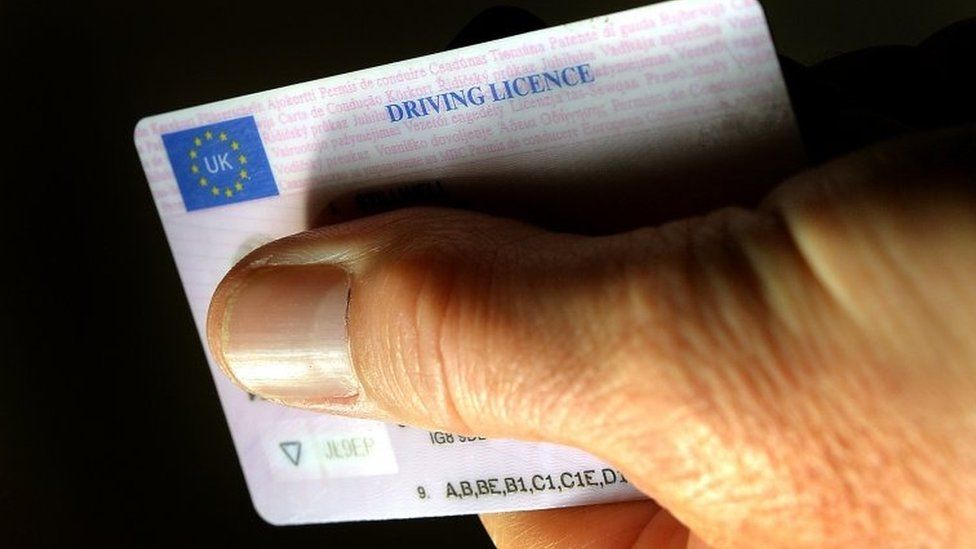
Once you've booked your first lesson, you'll meet with your instructor at a predetermined pick-up point (usually in a quieter area than the main roads) where you will get behind the wheel of the car for the first time. Your instructor will show you how to operate the brakes, clutch, and accelerator. They will then show you how to move the car forward and backwards and to use your mirrors. Also, you will be taught the significance of different lane markings and how to signal when changing lanes.
Your instructor will likely ask whether you have any prior experience driving, and they'll be there to answer any questions or concerns that you may have. They'll also explain how to make sure your car is in good condition and what you should do in a situation of emergency.
Before you make a turn the instructor will ask you to do a visual check to look for pedestrians, cars, and other traffic before making the turn. It is essential to practice your turn slowly so that you can get an understanding of the way your car reacts and how it must be steered in various conditions. They'll explain when to apply the brakes and when it's appropriate to accelerate, so you can start building your independence.
You'll likely make a few mistakes during your first lesson, but don't be worried it's totally normal. Your instructor will help you recognize the error, and then provide you with ways to avoid repeating it in the future. They will also provide feedback about how you performed and suggest what you need to improve on prior to your next lesson.
After you've mastered the basic maneuvers and your instructor will introduce you to more difficult maneuvers to aid you in preparing for the formal driving test evaluation. A targeted preparation that is aligned to the test components can help beginners reduce anxiety while demonstrating their ability to perform in an exam setting.
Saving Money
If you are considering enrolling in driving lessons, it's important to know the cost structure. Typically, a driving school offers package options that can offer cost savings. Learners should look into whether the school accepts installment payments. Be sure to inquire about hidden charges for example, fees to use the driving school's car during the test or for rescheduling lessons.
You can also save money on gas by taking driving lessons with a professional instructor. Driving instructors are able to teach you how to accelerate smoothly and efficiently. You can lose fuel by pressing the accelerator too hard. It can also cause unnecessary stress on the engine of your car. Instead, take the time to savor each acceleration and let your engine function at its peak.
A driving instructor can help you save money while you cruise along the highway. It's easy for drivers to forget that maintaining a constant speed consumes more fuel than sloweding down or stopping. By maintaining a constant speed, you can cut your fuel consumption by up to 20 percent.
If you're in a city, it's more crucial to be efficient. By learning to park correctly and anticipating the traffic patterns, you will avoid costly errors. Your instructor will teach you how to maneuver the car and improve your parking skills in a variety of situations.
It is recommended to schedule driving lessons regularly. www.tonymacdrivingschool.com 'll build confidence and proficiency over time. Additionally, you'll be able to develop a more comprehensive understanding of the road and its obstacles. This knowledge can be applied to your daily driving experience and will help you later on.
Before your first lesson it's a good idea to prepare by jotting down your driver's license, log book, and any other items you might require. It's also wise to meet your instructor at home in case you don't remember something or the weather changes, it won't hinder the lesson.